How Much Water Does Pressure Cleaning Actually Use at Home?
Pressure cleaning can use less water than an open garden hose, but the total depends on the machine’s flow rate and how long the trigger stays on. For homeowners in Brisbane’s southern suburbs, the most useful figure is litres per minute, not pressure alone.
A domestic pressure cleaner commonly uses around 5–9 litres per minute, while larger professional machines often use approximately 12–21 litres per minute. Check https://pressurecleaningbrisbanesouthside.com.au/house-washing/ the equipment specifications: individual models vary, and a higher-flow machine may finish a suitable job faster.
How to Calculate Pressure Cleaning Water Use
The basic calculation is straightforward:
Water used in litres = flow rate in litres per minute × minutes with water flowing.
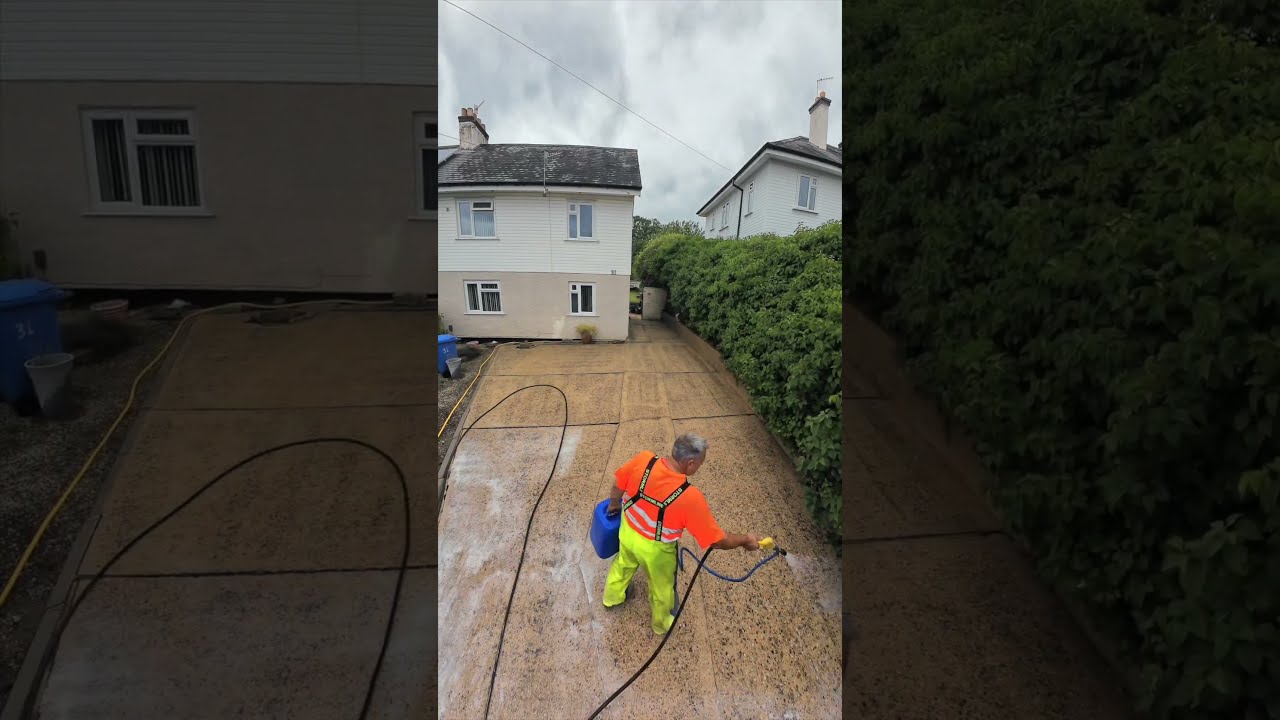
For example, a machine rated at 7 litres per minute uses approximately 210 litres over 30 minutes of trigger-on cleaning. That does not necessarily mean a 30-minute appointment uses 210 litres: moving equipment, applying treatments and allowing products to work can involve periods when the pressure cleaner is off.
Example Water Consumption
Machine flow rate 15 minutes spraying 30 minutes spraying 60 minutes spraying 6 litres per minute 90 litres 180 litres 360 litres 9 litres per minute 135 litres 270 litres 540 litres 15 litres per minute 225 litres 450 litres 900 litresThese figures cover the pressure cleaner only. Separate pre-wetting, chemical application and final hose rinsing can increase total consumption.

Does Pressure Cleaning Use Less Water Than a Garden Hose?
An unrestricted garden hose can deliver roughly 15–25 litres per minute, although tap pressure, hose diameter and nozzle settings make a substantial difference. A pressure cleaner delivers water through a much smaller nozzle at higher pressure, helping remove dirt with less flow.
At 7 litres per minute, 20 minutes of pressure cleaning uses 140 litres. A hose delivering 20 litres per minute uses 400 litres over the same time. This is a flow-rate comparison, not a guaranteed saving for every cleaning job. Total water consumption still depends on how quickly each method achieves an acceptable result.
What Affects Water Use Around Brisbane Homes?
Surface Size and Condition
A small patio generally needs less water than a long driveway, but surface condition matters too. Embedded grime, algae and lichen can require additional treatment or slower cleaning passes. Shaded areas in suburbs such as Sunnybank, Moorooka and Mount Gravatt can stay damp longer, encouraging biological growth.
Equipment and Cleaning Technique
A correctly matched surface cleaner can clean broad concrete areas more evenly and efficiently than a narrow spray wand. However, unsuitable equipment, worn nozzles or repeated overlapping passes can waste water. Excessive pressure can also damage timber, grout, coatings and softer masonry.
Some surfaces are better suited to low-pressure washing with an appropriate treatment. Lower pressure does not automatically mean lower total water use; application and rinsing requirements still count.
Practical Ways to Reduce Water Consumption
- Sweep first: Remove leaves, loose soil and debris rather than washing them across the driveway.
- Clean only what needs cleaning: Spot-treat small affected areas when a full clean is unnecessary.
- Use suitable pretreatment: Follow product directions and dwell times to reduce unnecessary repeat passes. Protect plants and prevent contaminated runoff.
- Release the trigger between passes: Avoid spraying while moving furniture or repositioning equipment.
- Choose the right setup: Match the nozzle, pressure and cleaning attachment to the surface rather than simply selecting maximum pressure.
Check Brisbane Water Restrictions and Runoff Requirements
Before cleaning in 2026, check current advice from Urban Utilities, Seqwater and Brisbane City Council. Water restrictions and permitted cleaning methods can change, so do not assume that advice from a previous season still applies.
Keep detergent, sediment, oil and other pollutants out of street gutters and stormwater drains. Plan how wash water will be contained or recovered before starting, particularly on driveways that slope towards the road. Do not assume that discharge to a sewer connection is permitted; seek relevant approval or disposal advice where needed.
What to Ask a Pressure Cleaning Service
When requesting a quote in Brisbane’s southern suburbs, ask about the machine’s flow rate, estimated trigger-on time and any extra water needed for rinsing. Also ask how the operator protects surfaces and manages runoff.

The best measure is total water used to clean the surface safely, not the lowest litres-per-minute figure on its own. Suitable equipment and a well-planned approach help avoid both wasted water and unnecessary surface damage.
Brisbane Southside Pressure Cleaning
(07) 3179 6111